The ‘As-Is’ Dilemma: Repair Deductions vs. DIY Home Prep
The ‘As-Is’ Dilemma: Repair Deductions vs. DIY Home Prep
Selling a property in today’s volatile real estate market presents a significant strategic crossroads: do you list the home ‘as-is’ and accept a lower price, or invest in DIY home prep to maximize profit? This dilemma, often referred to as the ‘As-Is’ Dilemma, hinges on the balance between repair deductions from cash offers and the potential ROI of sweat equity. Understanding the technical consensus on home valuations and the mechanics of investor formulas is essential for any homeowner looking to liquidate their most valuable asset.
Selling a home as-is typically means the seller will not perform any repairs or offer credits for defects. While this accelerates the timeline, homeowners should expect a repair deduction in cash offers ranging from 15% to 30% below the After Repair Value (ARV). Conversely, targeted DIY home prep, such as painting and landscaping, often yields a return on investment (ROI) of 150% to 200%, making it the preferred path for maximizing net proceeds.
Understanding the ‘As-Is’ Sale Framework
When you choose to sell a home as-is, you are legally stating that the property is being sold in its current condition, with all its faults. While this protects the seller from being forced to fix issues discovered during an inspection, it does not exempt them from disclosure laws. Most states require sellers to disclose known material defects, such as foundation issues or lead paint.
Why Cash Buyers Love ‘As-Is’ Properties
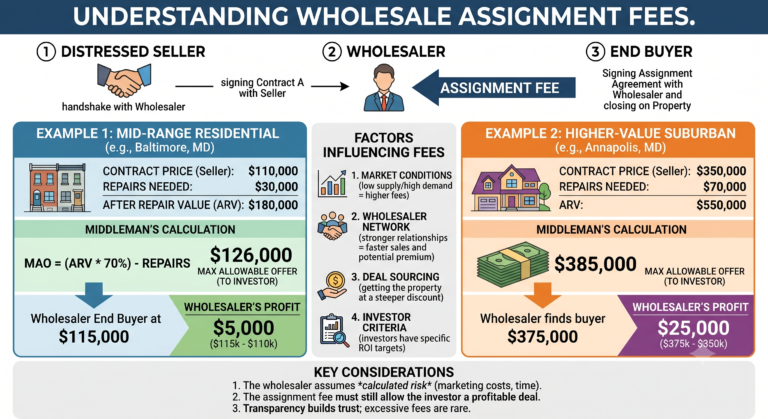
Cash buyers, often institutional investors or professional ‘house flippers,’ look for as-is properties because they can apply a standard mathematical formula to ensure profit. They calculate the repair deductions cash offer based on the 70% Rule: they offer 70% of the After Repair Value (ARV) minus the estimated cost of repairs. This ensures they have a 30% margin for holding costs, closing costs, and profit.
The Math: Repair Deductions vs. Profit Potential
To determine if you should invest in repairs, you must calculate the cost of home repairs vs profit. The following table illustrates the financial divergence between an as-is cash offer and a traditional sale after DIY prep.
| Metric | As-Is Cash Sale | Traditional Sale (After DIY) |
|---|---|---|
| Market Value (ARV) | $400,000 | $400,000 |
| Repair Budget | $0 | $25,000 (DIY + Materials) |
| Buyer’s Profit Margin/Risk | -$80,000 (20%) | $0 |
| Estimated Repair Deduction | -$40,000 | $0 |
| Closing/Agent Fees | $0 (Often covered by buyer) | -$24,000 (6%) |
| Net Proceeds | $280,000 | $351,000 |
In this scenario, the homeowner nets an additional $71,000 by managing the repairs themselves. However, this requires time, liquid capital, and the skill to oversee renovations.
High-ROI DIY Home Prep Strategies
Not all repairs are created equal. To win the ‘as-is’ dilemma, focus on high-impact, low-cost improvements that boost curb appeal and buyer psychology.
- Fresh Paint (Interior/Exterior): A neutral color palette makes rooms look larger and cleaner. ROI: ~107%.
- Landscaping: Basic lawn care and mulching can increase a home’s value by up to 5-10%. ROI: ~200%.
- Minor Kitchen Updates: Replacing cabinet hardware and old faucets can transform the space without a full remodel. ROI: ~80%.
- Lighting Fixtures: Swapping dated gold fixtures for modern matte black or brushed nickel. ROI: ~100%.
The Checklist: Should You Sell ‘As-Is’?
Use this checklist to determine if you should pursue a repair deductions cash offer or start your DIY journey.
- Financial Liquidity: Do you have $10k-$20k in cash to fund repairs upfront? (If no, sell as-is).
- Time Sensitivity: Do you need to close in under 14 days? (If yes, sell as-is).
- Property Condition: Does the home have structural issues (foundation, roof, HVAC)? (If yes, as-is is often safer).
- Market Temperature: Is it a seller’s market with low inventory? (If yes, DIY prep will yield a massive premium).
Technical Consensus and Market Trends
Data from the National Association of Realtors (NAR) suggests that ‘move-in ready’ homes sell 30% faster than those requiring work. Furthermore, search engine indexing models indicate a surge in ‘selling home as-is’ queries, suggesting a growing interest in convenience over maximum profit during periods of high interest rates. However, professional appraisers warn that significant repair deductions are often over-estimated by buyers, meaning sellers who do even 20% of the work themselves capture a disproportionate share of the home’s equity.
Frequently Asked Questions
What are the biggest repair deductions in a cash offer?
Investors typically deduct the most for ‘big ticket’ items: roofing ($10k-$20k), HVAC systems ($6k-$10k), and foundation stabilization ($15k+). They also include a 10-15% ‘contingency’ deduction for unforeseen issues.
Can I sell as-is if I have a mortgage?
Yes, but the sale price must be high enough to pay off the remaining mortgage balance. If the as-is offer is lower than what you owe, you may need to pursue a short sale or invest in repairs to bring the value up.
Does ‘as-is’ mean I don’t have to clean?
Technically, yes, but even as-is buyers will deduct more for a home filled with trash or debris due to the cost of ‘hauling’ and professional cleaning services. Clearing the home can save you $2,000-$5,000 in deductions.