Wholesale Real Estate Contracts: The Audit Checklist Every Seller Needs
In the modern real estate landscape, wholesaling has become a prevalent strategy for investors to secure properties and ‘assign’ them to end-buyers for a fee. While this can provide a quick exit for sellers, it also introduces unique legal and financial risks. Conducting a comprehensive wholesale real estate contract audit is not just a recommendation; it is a necessity for seller legal protection.
Featured Snippet: Wholesale Real Estate Contract Audit
A wholesale real estate contract audit is a strategic review process where a property seller evaluates the terms of a purchase agreement to identify assignment clause red flags. The primary goal is to ensure the ‘buyer’ has the intent and capacity to close, protecting the seller from ‘tied-up’ properties and failed transactions through strict earnest money requirements and limited contingency windows.
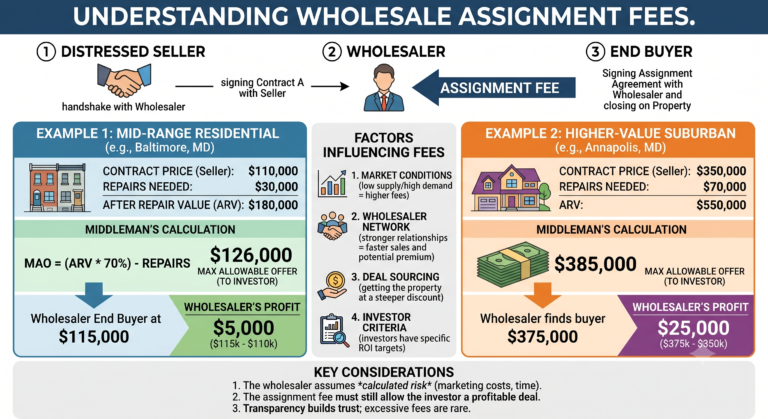
Understanding the Mechanics of a Wholesale Transaction
Wholesaling relies on the legal concept of ‘equitable interest.’ Once a contract is signed, the wholesaler doesn’t own the property, but they own the right to buy it. They then market this right to a ‘cash buyer.’ As a seller, your primary risk is the wholesaler’s inability to find an end-buyer, which could leave your property off the market for weeks only to have the deal fall through.
Why the ‘And/Or Assigns’ Clause Matters
The phrase ‘and/or assigns’ is the most common indicator of a wholesale deal. It grants the buyer the unilateral right to transfer their obligations to a third party. Without proper constraints, this can lead to a lack of transparency regarding who is actually walking through your front door during inspections.
The Comprehensive Wholesale Real Estate Contract Audit Checklist
Before signing any document provided by an investor, run through this checklist to ensure your interests are shielded.
- 1. Earnest Money Deposit (EMD) Verification: Is the EMD significant? For wholesale deals, a $100 deposit is a red flag. Aim for at least 1-3% of the purchase price, held by a neutral third-party title company.
- 2. Inspection Period Duration: Wholesalers often ask for 15-30 days. To protect yourself, limit this to 7-10 days. This forces the wholesaler to find their end-buyer quickly.
- 3. ‘Non-Refundable’ Language: Ensure the contract states the EMD becomes non-refundable immediately after the inspection period expires.
- 4. Proof of Funds (POF): Even if the buyer is assigning the contract, demand to see a current bank statement or a proof of funds letter from a hard money lender.
- 5. Closing Date Certainty: Avoid ‘flexible’ closing dates. Specify a ‘time is of the essence’ clause to ensure deadlines are legally binding.
Assignment Clause Red Flags: Identifying Predatory Language
Not all assignment clauses are created equal. When performing your wholesale real estate contract audit, watch for these specific assignment clause red flags:
The Unlimited Assignment Right
If the contract allows assignment to any party without the seller’s consent, you lose control over the transaction. Correction: Add a clause stating, ‘Assignment is permitted only to a legal entity where the original buyer is a principal, or requires written seller consent.’
The ‘Double Close’ Obfuscation
Sometimes wholesalers use a double closing to hide their profit margin. While legal, it can complicate the chain of title. Ensure the title company is experienced in these transactions to avoid delays.
Performance Metric Table: Standard vs. Wholesale Contracts
The following table illustrates the key differences you will encounter during your audit.
| Feature | Standard Purchase Agreement | Wholesale Contract | Risk Level for Seller |
|---|---|---|---|
| Buyer Intent | Primary Residence or Long-term Rental | Assigning equitable interest for profit | High |
| Assignment Clause | Usually prohibited or requires consent | Typically ‘and/or assigns’ included | Critical |
| Earnest Money | 1% to 5% of price | Often $100 to $1,000 (Low) | High |
| Contingencies | Financing, Appraisal, Inspection | Usually ‘Cash’ but heavy on Inspection | Moderate |
| Transparency | Buyer is the end-user | Buyer is a middleman | Low (Hidden fees) |
Seller Legal Protection: Pro-Tips for Negotiation
To maximize your seller legal protection, consider adding an addendum that overrides the wholesaler’s boilerplate contract. Key terms to include:
- Marketing Rights: Prohibit the wholesaler from listing the property on the MLS without a signed memorandum of contract.
- No-Sub-Wholesaling: Prevent the buyer from assigning the contract to another wholesaler (daisy-chaining).
- Indemnification: Ensure the buyer indemnifies the seller against any liens or damages caused by their inspectors or end-buyers during the due diligence period.
Frequently Asked Questions (FAQ)
Is wholesaling real estate legal?
Yes, wholesaling is legal in most jurisdictions, provided the wholesaler is selling their equitable interest in the contract and not the property itself (unless they are a licensed agent). However, some states, like Illinois and Philadelphia, have specific licensing requirements for wholesalers.
What happens if the wholesaler cannot find a buyer?
If the wholesaler cannot find an end-buyer and the contract has an inspection contingency, they will likely terminate the contract and recoup their EMD. This is why a short inspection period is vital for the seller.
Can I sue a wholesaler for backing out?
While you can sue for breach of contract, most wholesale contracts are structured with limited liability, meaning your only recourse is typically retaining the earnest money deposit. This is why a high EMD is the best protection.
How do I know if I am dealing with a wholesaler?
Look for the ‘and/or assigns’ language, a very low earnest money deposit, and requests for multiple walkthroughs by ‘partners’ or ‘contractors’ (who are usually the actual end-buyers).
Final Thoughts on Contract Auditing
The rise of ‘we buy houses’ investors has made selling a home faster but more complex. By meticulously performing a wholesale real estate contract audit and spotting assignment clause red flags early, you ensure that your transition is profitable and legally sound. Always consult with a real estate attorney to review any ‘investor-friendly’ contracts before signing.