Real Estate Investor Contract Vetting: Hidden Fees and Clauses
In the high-stakes world of real estate investing, the contract is the only shield between a profitable exit and a devastating financial loss. Whether you are dealing with wholesalers, institutional buyers, or private sellers, understanding the nuances of investor contract fees and the hidden costs of cash sales is paramount for protecting your ROI. This guide explores the technical details of contract vetting to ensure every closing is transparent and secure.
What are the most common hidden fees in real estate investor contracts? Hidden fees often manifest as administrative ‘technology’ fees, excessive assignment fees in wholesale deals, unexpected per diem charges for closing delays, and non-refundable earnest money deposits that bypass standard escrow deposit rules. Always audit the HUD-1 or Closing Disclosure against the initial purchase agreement to identify these discrepancies.
The Anatomy of Investor Contract Fees
Investor-specific contracts often differ significantly from standard state-association residential agreements. While a standard contract focuses on consumer protection, investor contracts are frequently drafted to favor the party with the most leverage. You must scrutinize the ‘Additional Terms’ section, where most predatory fees are buried.
Administrative and ‘Junk’ Fees
Many investment firms add ‘processing’ or ‘transaction’ fees ranging from $495 to $1,500. While they claim these cover overhead, they are often pure profit centers. In a competitive market, these investor contract fees can erode the narrow margins of a fix-and-flip or rental acquisition.
Assignment Fee Transparency
In wholesale transactions, the ‘Assignment Fee’ is the difference between the wholesaler’s contract price with the seller and your purchase price. If the contract prohibits you from seeing the original purchase price, you may be overpaying significantly for the equitable interest in the property.
Hidden Costs of Cash Sales: Why ‘Cash’ Isn’t Free
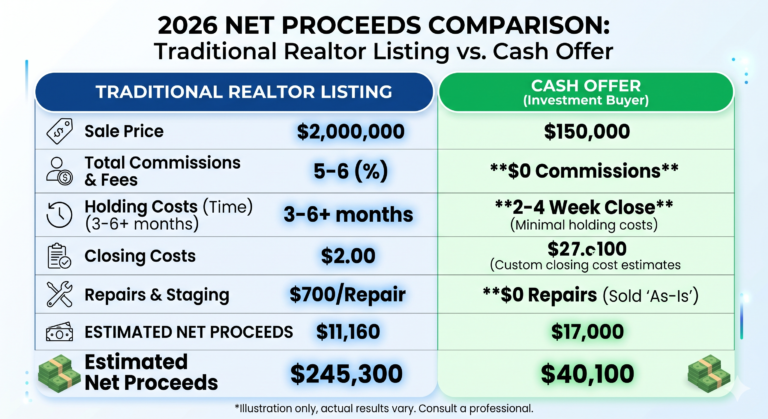
The term ‘all-cash’ often implies a simplified process, but it frequently comes with a specific set of financial trade-offs. Sellers often demand a ‘cash discount,’ but the hidden costs of cash sales often appear in the form of shifted closing costs.
- Shifted Title Insurance: Investors may be asked to pay for the owner’s title policy, a cost traditionally borne by the seller in many jurisdictions.
- Municipal Lien Search Fees: Cash buyers often waive formal title searches to speed up closing, only to find thousands of dollars in unrecorded utility liens or code violations later.
- Courier and Wire Fees: While small ($35–$100), these add up across multiple transactions if not capped in the contract.
Navigating Escrow Deposit Rules
The Earnest Money Deposit (EMD) is your ‘skin in the game.’ However, escrow deposit rules vary wildly by state and by the specific language of the contract. Investors must be wary of ‘hard money’ or ‘non-refundable’ deposits that apply from day one.
The ‘Liquidated Damages’ Clause
Most investor contracts include a liquidated damages clause stating that if the buyer defaults, the seller’s sole remedy is to keep the EMD. Ensure this amount is reasonable (typically 1-3% of the purchase price). Avoid contracts that allow the seller to sue for ‘Specific Performance’ in addition to keeping the deposit.
Escrow Release Triggers
Verify who holds the escrow. It should always be a neutral third-party title company or attorney. Never release escrow funds directly to a seller or a wholesaler before the deed is recorded.
Comparison Table: Standard vs. Investor-Heavy Contracts
| Feature | Standard Residential Contract | Investor/Wholesale Contract |
|---|---|---|
| Inspection Contingency | Usually 7-14 days; broad exit rights. | Often 0-3 days or ‘as-is’ with no exit. |
| Assignment Clause | Generally prohibited without consent. | Freely assignable to any third party. |
| Closing Costs | Split based on local custom. | Often 100% buyer-paid. |
| Closing Timeline | 30-45 Days (Finance Contingent). | 7-14 Days (Cash/Hard Money). |
Vetting Checklist: Clauses to Redline
Before signing any investment purchase agreement, ensure you have reviewed and potentially redlined the following high-risk clauses:
- The ‘As-Is’ Clause with a Twist: Ensure ‘as-is’ doesn’t mean you waive the right to environmental or structural inspections entirely.
- Proration Errors: Check that property taxes and HOA dues are prorated to the day of closing, not the month.
- The ‘Ability to Market’ Clause: Wholesalers often include a clause allowing them to market your property before they even own it. Ensure this is limited to prevent clouding the title.
- Extension Fees: Scrutinize ‘Per Diem’ charges. If the closing is delayed due to title issues (seller’s fault), you should not be paying a $200/day penalty.
Frequently Asked Questions
Can I negotiate investor contract fees?
Yes. Everything in a real estate contract is negotiable. If a wholesaler or seller is charging a ‘transaction fee,’ you can request it be removed or credited back at closing, especially if you are bringing cash to the table.
What happens to my EMD if the seller backs out?
Under standard escrow deposit rules, if the seller defaults, the EMD must be returned to the buyer in full. However, some contracts require a signed release from both parties, which can lead to the funds being tied up in ‘escrow purgatory’ if the seller refuses to sign.
Are ‘Hidden Costs of Cash Sales’ tax-deductible?
Most closing costs incurred during a cash sale are capitalized into the cost basis of the property rather than being deducted in the year of purchase. Consult with a CPA to determine how specifically listed ‘investor fees’ impact your tax liability.
How do I verify the ‘No Liens’ clause?
Never rely solely on the seller’s word. Always mandate a title commitment from a reputable title insurance company as a condition of the escrow deposit rules in your contract.